Call Anytime

+1 630-447-9661

What Is the Average Cost of a Life Coach?

What Is the Average Cost of a Life Coach

The average cost of a life coach ranges from $75 to $250 per hour. Most people pay around $120 per session for a certified life coach. Monthly coaching packages usually cost between $200 and $1,500, while executive and specialized coaches often charge $300 to $500 or more per hour. Life coaching prices vary because there […]

What Is a Substance Use Disorder?

Substance Use

A substance use disorder is a chronic mental health condition where you continue using alcohol, drugs, or other substances even when they cause serious harm to your health, emotions, relationships, work, or daily life. It changes how your brain functions, especially the areas responsible for reward, motivation, self-control, and decision-making. Substance use disorder, also called […]
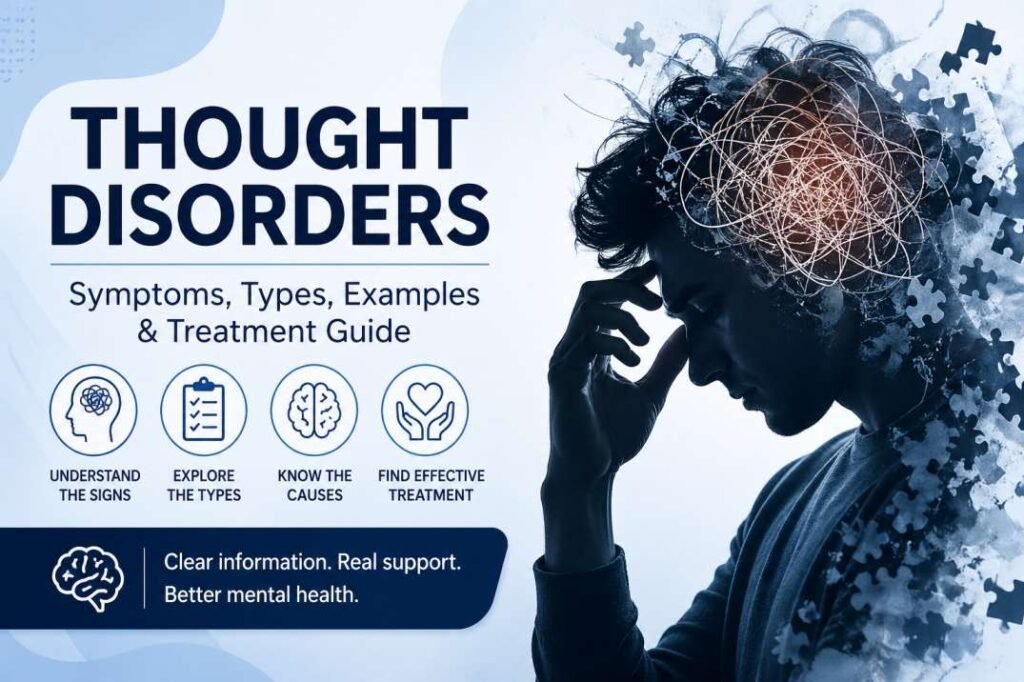
Thought Disorders: Symptoms, Types, Examples & Treatment Guide

A thought disorder is a mental health condition where your ideas become disorganized, illogical, or difficult to express clearly. It affects how you connect and communicate ideas, often appearing in conditions like schizophrenia, bipolar disorder, or severe depression. What Is a Thought Disorder? A thought disorder disrupts the structure of your ideas. Your brain still produces content, but it cannot organize it in a clear and logical way. This shows up most clearly in speech. You may jump between topics, lose your train of thought, or speak in ways that others cannot follow. Clinicians assess this by listening carefully to how you speak and how your ideas connect. It reflects a disruption in thought organization, not intelligence. Also Read: Best Healing Frequencies – A Complete Guide Thought Disorder vs Overthinking You need to distinguish this from overthinking. Overthinking involves repetitive, excessive focus on the same ideas. Your thinking remains logical and understandable. A thought disorder disrupts logic itself. Ideas may not connect, and your speech may sound fragmented or incoherent. This difference matters because the causes and treatments are entirely different. Also Read: Best Frequency for Brain Healing Types of Thought Disorders Experts classify thought disorders into two main categories. Positive Formal Thought Disorder This involves added distortion or excess in thinking. Ideas move too quickly or connect in unusual ways. You may shift topics rapidly or speak with pressure. Negative Formal Thought Disorder This involves reduced thinking ability. Ideas become limited or slow. You may struggle to form complete sentences or speak very little. Common Examples of Thought Disorders Real patterns make these disorders easier to recognize. Derailment: You shift from one topic to another without a clear connection. Word salad: Speech becomes completely disorganized and lacks meaning. Neologisms: You create new words that others cannot understand. Clanging: Words are chosen based on sound rather than meaning, often involving rhyming. Thought blocking: Your speech suddenly stops because the idea disappears mid-sentence. These patterns occur consistently and interfere with normal communication. Symptoms of Thought Disorders Symptoms often develop gradually, then become more severe. Early Signs Difficulty concentrating Mild confusion Trouble organizing ideas Advanced Symptoms Disorganized or incoherent speech Delusions, which are fixed false beliefs Hallucinations, involving perceptions that are not real Behavioral Changes Social withdrawal Difficulty managing daily tasks Emotional instability These symptoms affect both communication and overall functioning. Causes and Risk Factors Thought disorders usually result from underlying conditions or brain changes. Schizophrenia, which directly disrupts thought processing Bipolar disorder, especially during manic episodes Severe depression, which slows and distorts thinking Brain injury, affecting cognitive function Substance use, altering brain activity Genetic vulnerability and prolonged stress How Thought Disorders Are Diagnosed Diagnosis relies on clinical observation. A mental health professional evaluates how you speak and how your ideas connect. They use structured interviews and may apply tools like the Thought Disorder Index to measure disturbances. Diagnosis requires consistent patterns over time rather than a single test result. Treatment Options for Thought Disorders Treatment focuses on improving thought clarity and addressing the underlying condition. Medication: Antipsychotics help stabilize brain activity and reduce disorganized thinking Psychotherapy: Cognitive behavioral therapy helps you organize ideas and improve communication Psychosocial support: Builds daily functioning, routines, and social skills Family and group therapy: Improves support systems and reduces isolation Combining these approaches produces the most stable outcomes. When to Seek Help You should seek professional help if your speech becomes consistently disorganized or difficult for others to understand. Warning signs include: Persistent confusion Sudden changes in communication Withdrawal from daily life Delusions or hallucinations These symptoms indicate the need for evaluation and treatment. Living With a Thought Disorder You can manage daily life by creating structure and maintaining support. Follow consistent routines Reduce stress where possible Stay connected with supportive people Continue regular therapy Awareness of your patterns helps you respond early and maintain stability. Conclusion Thought disorders affect how your ideas are formed, connected, and expressed. They often signal underlying mental health conditions that require proper care. With accurate diagnosis and consistent treatment, you can improve clarity, regain stability, and function effectively in daily life. If you are noticing these symptoms in yourself or someone close to you, getting professional support early can make a clear difference. PS IT’s Counseling provides structured, evidence-based mental health support to help you understand your condition, improve communication, and regain control over daily life.

A thought disorder is a mental health condition where your ideas become disorganized, illogical, or difficult to express clearly. It affects how you connect and communicate ideas, often appearing in conditions like schizophrenia, bipolar disorder, or severe depression. What Is a Thought Disorder? A thought disorder disrupts the structure of your ideas. Your brain still […]
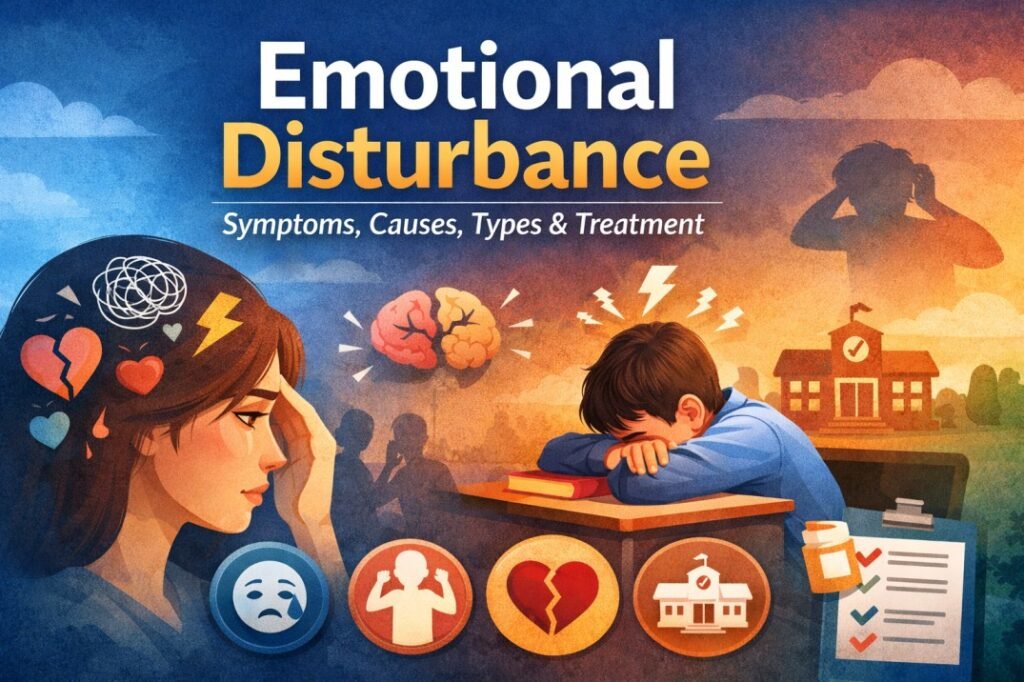
Emotional Disturbance: Symptoms, Causes, Types, and Treatment

An emotional disturbance is a condition where you experience persistent emotional or behavioral difficulties, such as anxiety, mood swings, or difficulty maintaining relationships that interfere with your daily functioning. In children, it is also defined under educational guidelines as a condition that significantly affects learning, behavior, and school performance over time. What Is Emotional Disturbance? […]

What Is Friendship Counseling?

Friendship counseling is a therapist-guided process where you and your friend work through conflict, communication problems, or emotional distance in a structured and neutral setting. A licensed therapist helps both of you understand patterns, express concerns clearly, and decide whether to repair, strengthen, or redefine the friendship. Friendship counseling falls under relationship counseling or interpersonal […]

What Is Racial Therapy?

Racial therapy is a form of mental health therapy that helps you process the psychological effects of racism, discrimination, and race-related stress. It focuses on race-based traumatic experiences, cultural identity, and emotional responses shaped by bias. Racial therapy provides a culturally aware and validating environment where you can understand how racism affects your mental health […]

Concierge Therapist in Chicago: Meaning, Cost, Benefits and How It Works

A concierge therapist in Chicago is a licensed mental health professional who provides private, membership-based therapy with direct access, flexible scheduling, and personalized care outside the insurance system. What is a Concierge Therapist in Chicago In Chicago, concierge therapists work on a self-pay model. You pay a monthly or retainer fee and receive priority access, […]

Sound Therapy for Bipolar Disorder

Sound therapy for bipolar disorder uses music, calming sounds, or specific frequencies to support relaxation, mood balance, and better sleep. It is a complementary practice. It does not treat bipolar disorder and cannot replace medication or psychotherapy. Many people use sound therapy alongside professional treatment. Calm sounds can reduce stress and help the nervous system […]

What are the benefits of family therapy?

Benefits of family therapy include stronger communication, healthier conflict resolution, improved parenting, reduced stress, and deeper emotional connection within your household. Family therapy works by identifying interaction patterns between family members and correcting the ones that create tension, distance, or repeated arguments. What Is Family Therapy? Family therapy is a structured form of counseling that […]

What happens in alcohol use counseling?

Alcohol use counseling involves meeting with a trained mental health professional to understand your drinking patterns, identify what drives them, and build practical skills to reduce or stop alcohol use safely and sustainably. You talk openly about your goals, triggers, emotions, and habits. Together, you create a structured plan that helps you change behavior and […]