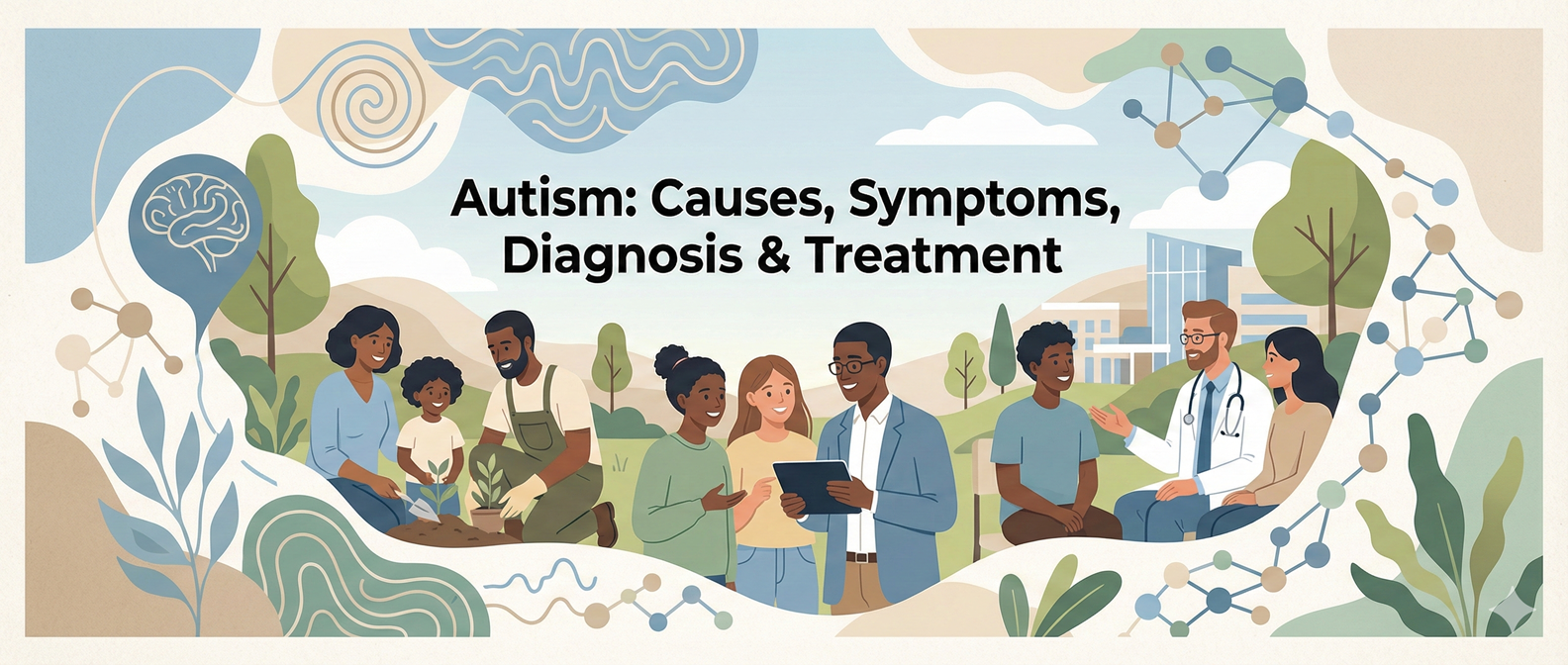
Autism is one of the most widely researched developmental conditions, yet it is also one of the most misunderstood. Whether you’re a parent seeking answers, an adult wondering about your own symptoms, or someone supporting a loved one, having accurate and clear information matters. This comprehensive guide simplifies autism in a way that is medically accurate, easy to understand, and deeply supportive.
Autism Spectrum Disorder (ASD) is a neurological and developmental condition that affects communication, social interaction, sensory processing, and behavior. It’s described as a “spectrum” because symptoms range from mild to more complex.
Most signs of autism appear in the first two years of life, but many individuals especially adolescents and adults may not receive a diagnosis until much later.
If you’re exploring autism because of your child’s behavior, you may also find our guide on Child Therapy in Chicago helpful.
Yes. Autism is considered a developmental disability because it impacts learning, communication, and social or behavioral development. But disability does not mean inability. Many autistic individuals live meaningful, fulfilling, independent lives.
Developmental disabilities vary widely, and autism is one part of a broader category. Learn more in our related article on Developmental Disorders Counseling in Joliet.
What Causes Autism?
There is no single cause of autism. Experts agree that autism develops from a combination of:
Certain genes increase the likelihood of autism, although no single “autism gene” exists.
Research shows variations in how the brain communicates, organizes information, and processes sensory input.
These do not cause autism alone, but may contribute:
For more insights on co-occurring mental health conditions, see our page on Anxiety Therapy in Joliet.
Autism used to be divided into different diagnoses. Today, all fall under ASD, but differences still help describe needs and presentation:
Often associated with:
Includes:
Characterized by:
Girls are often missed due to:
You can learn more about unique presentations in our article on Behavioral Issues Therapy in Joliet.
Every autistic person is different, but common characteristics include:
For families navigating behavioral concerns, explore our guide on Family Therapy in Joliet.
Autism looks different across ages. Many adults go undiagnosed due to masking, high intelligence, or learned coping behaviors.
If you’re noticing these early signs, our resource on Child Therapy in Joliet may be helpful.
Adults may experience:
To explore adult-related support, see Online Therapy in Chicago.
Diagnosis is typically provided by:
Early diagnosis can make a life-changing difference. If you’re unsure where to start, read our guide on Coping Skills to Build Resilience as you begin the journey.
Treatment Options for Autism
Autism isn’t “cured”—it is supported.
Improves communication, social understanding, and alternative communication tools.
Helps with sensory processing, motor skills, and daily functioning.
Builds confidence and peer interaction.
Addresses anxiety, depression, emotional regulation, and identity-related concerns.
Learn more in our guide on Anxiety Counseling, often helpful for autistic clients.
Not for autism itself, but for co-occurring conditions like ADHD, anxiety, OCD, or irritability.
Living With Autism: Can Autistic People Live a Normal Life?
Absolutely. Many autistic individuals live full, happy, independent lives. Success depends on:
If you’re parenting an autistic child, our page on Strengthening Bonds Through Family Counseling can help your family navigate challenges together.
Chicago has a strong network of autism services, including:
PS IT’s Counseling is an important part of that support system—offering neuroaffirming care for individuals and families.
At PS IT’s Counseling, we provide compassionate, neuroaffirming care for autistic children, teens, and adults.
Our therapists help individuals with:
✔ Social communication
✔ Emotional regulation
✔ Anxiety & overwhelm
✔ Transitions & life changes
✔ Sensory needs
✔ Self-advocacy & identity
Families also receive guidance on:
If you’re looking for personalized support, visit our main page on Counseling in Chicago to get started.
The only way to know for sure is through a professional assessment, but signs include sensory sensitivities, social exhaustion, difficulty reading cues, and intense interests.
Yes. Many autistic people pursue careers, relationships, education, and independence with the right support.
Adults often show masking, sensory overload, social fatigue, communication challenges, or rigid routines.
Whether you’re a parent seeking guidance or an adult exploring your identity, support is available. At PS IT’s Counseling, you’re not navigating this alone. Our neuroaffirming specialists are here to help you understand, grow, and thrive at any age.
Embark on a transformative path to optimal well-being with our uplifting counseling services. Let our expert guidance elevate you to new heights of wellness. Take the first step today and enjoy a complimentary 15-minute consultation to explore the positive changes awaiting you.