
In recent years, sound therapy for PTSD has gained increasing attention as a gentle, non-invasive approach for individuals living with the effects of trauma. For many people with post-traumatic stress disorder, traditional treatments like talk therapy and medication are helpful but not always sufficient on their own. Sound-based interventions offer another layer of support by working directly with the nervous system.
Sound therapy does not require reliving traumatic events verbally. Instead, it allows the body and brain to settle into a state of safety through vibration, rhythm, and frequency making it especially appealing for trauma survivors who experience overwhelm, hyper vigilance, or emotional shutdown.
Also Read: What is Vibrational Sound Therapy

Sound therapy is a holistic healing practice that uses intentional sound frequencies and vibrations to support mental, emotional, and physical well-being. These sounds may be experienced through music, tones, chanting, or therapeutic instruments such as singing bowls, tuning forks, and vibration-based sound tables.
At its core, sound therapy works by helping the nervous system shift out of survival mode and into a calmer, more regulated state something many individuals with PTSD struggle to achieve.
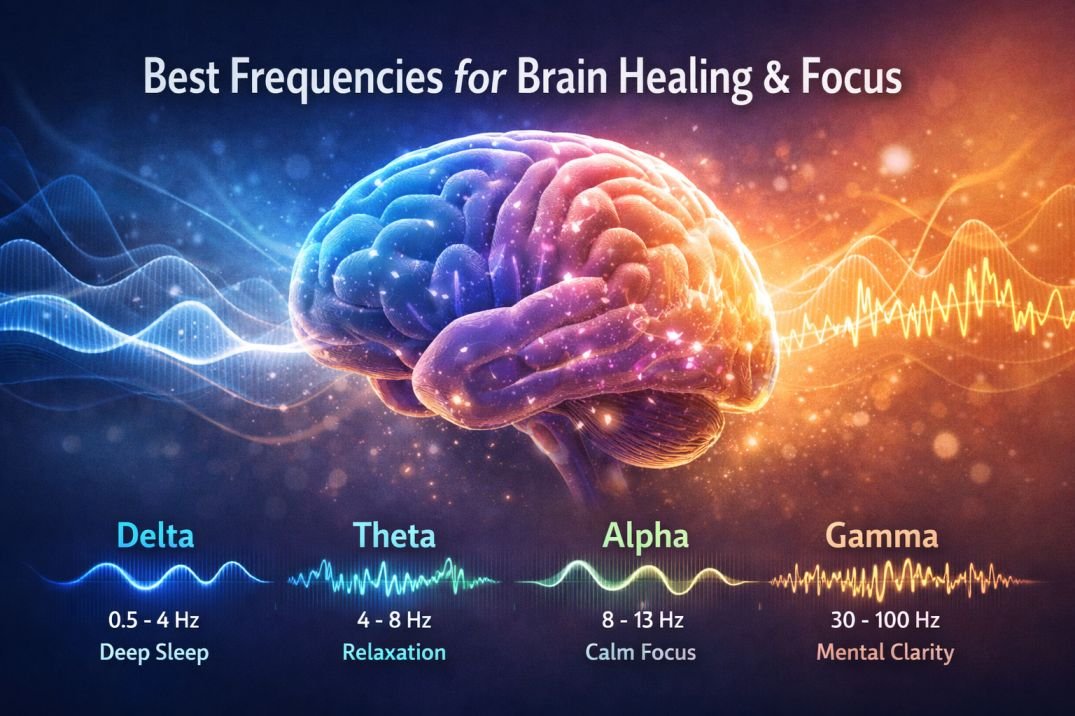
Sound therapy works through brainwave entertainment, meaning sound frequencies can influence brainwave patterns. When the brain shifts from high-alert beta waves into slower alpha or theta waves, the body begins to relax.
Research suggests that sound-based practices may:
This is why sound healing for trauma is often used alongside psychotherapy to help the body feel safe enough for emotional processing to occur.
Also Read: What is Trauma-Informed Therapy
There are several types of sound therapy, including:
Certain frequencies are commonly used in trauma-informed sound therapy. One frequently discussed tone is 432 Hz, which many people describe as grounding and soothing.
The 432 Hz frequency benefits may include:
While scientific research on specific frequencies is still evolving, many trauma survivors report feeling more emotionally balanced when exposed to lower, harmonious tones like 432 Hz.
Sound therapy offers numerous benefits, including:
Also Read: How to Deal with Anxiety
One of the most researched sound-based tools is binaural beats for PTSD. This technique involves playing two slightly different frequencies in each ear through headphones. The brain perceives a third frequency, encouraging it to shift into a calmer state.
For individuals with PTSD, binaural beats may help:
Many trauma survivors find binaural beats helpful before sleep or prior to therapy sessions to promote emotional grounding.
Also Read: Your Guide To Anger Management
Trauma is often stored not just emotionally, but physically. Chronic pain, muscle tension, and fatigue are common in PTSD. Pain relief sound therapy works by using vibration to relax muscles and calm overactive pain pathways.
Additionally, pain release sound therapy can help individuals gently reconnect with their bodies without triggering fear or dissociation. This body-based release is especially valuable for trauma survivors who struggle with somatic symptoms.
Living with PTSD often means living with constant emotional stress. Emotional stress sound therapy focuses on creating a safe auditory environment that allows suppressed emotions to surface and release naturally.
Sound-based practices can help:
For many clients, sound therapy becomes a bridge between body awareness and emotional healing.
Also Read: Therapy for Domestic Violence
PTSD, or post-traumatic stress disorder, is a mental health condition triggered by experiencing or witnessing a traumatic event.
Traditional treatments for PTSD often include medication and psychotherapy, but sound therapy for PTSD is emerging as a promising complementary approach.
Sound therapy supports PTSD healing by:
When combined with trauma-informed counseling, sound therapy can deepen therapeutic outcomes.
Several studies have investigated the effectiveness of sound therapy for PTSD. For instance, a study published in the Journal of Traumatic Stress found that participants who underwent sound therapy reported significant reductions in PTSD symptoms compared to a control group. Another study highlighted the benefits of binaural beats in reducing anxiety and improving sleep quality in PTSD patients.
To implement sound therapy for PTSD, individuals can work with a certified sound therapist or use sound therapy tools at home.
Techniques such as listening to calming music, using binaural beats, or practicing guided meditation with sound can be effective.
Some commonly used trauma-informed techniques include:
Music using calming frequencies may support relaxation and emotional balance.
These tools emit vibrations that gently move through the body, helping release stored tension.
These structured practices combine sound and gentle guidance to help trauma survivors feel grounded and present.
These instruments are often used in sound therapy sessions to help release tension and stress.
Sound therapy for PTSD offers a promising alternative or complementary treatment for those struggling with the effects of trauma. By leveraging the healing power of sound, individuals can experience reduced anxiety, improved emotional regulation, and enhanced overall well-being.
As research in this field continues to grow, sound therapy may become an increasingly accepted and effective approach to mental health care.
If you’re interested in exploring the benefits of sound therapy and other holistic approaches to mental wellness, PS-ITS Counseling is here to help. Our experienced therapists are dedicated to providing personalized mental health care tailored to your unique needs. Don’t wait to take the first step towards a healthier, happier you.
Embark on a transformative path to optimal well-being with our uplifting counseling services. Let our expert guidance elevate you to new heights of wellness. Take the first step today and enjoy a complimentary 15-minute consultation to explore the positive changes awaiting you.